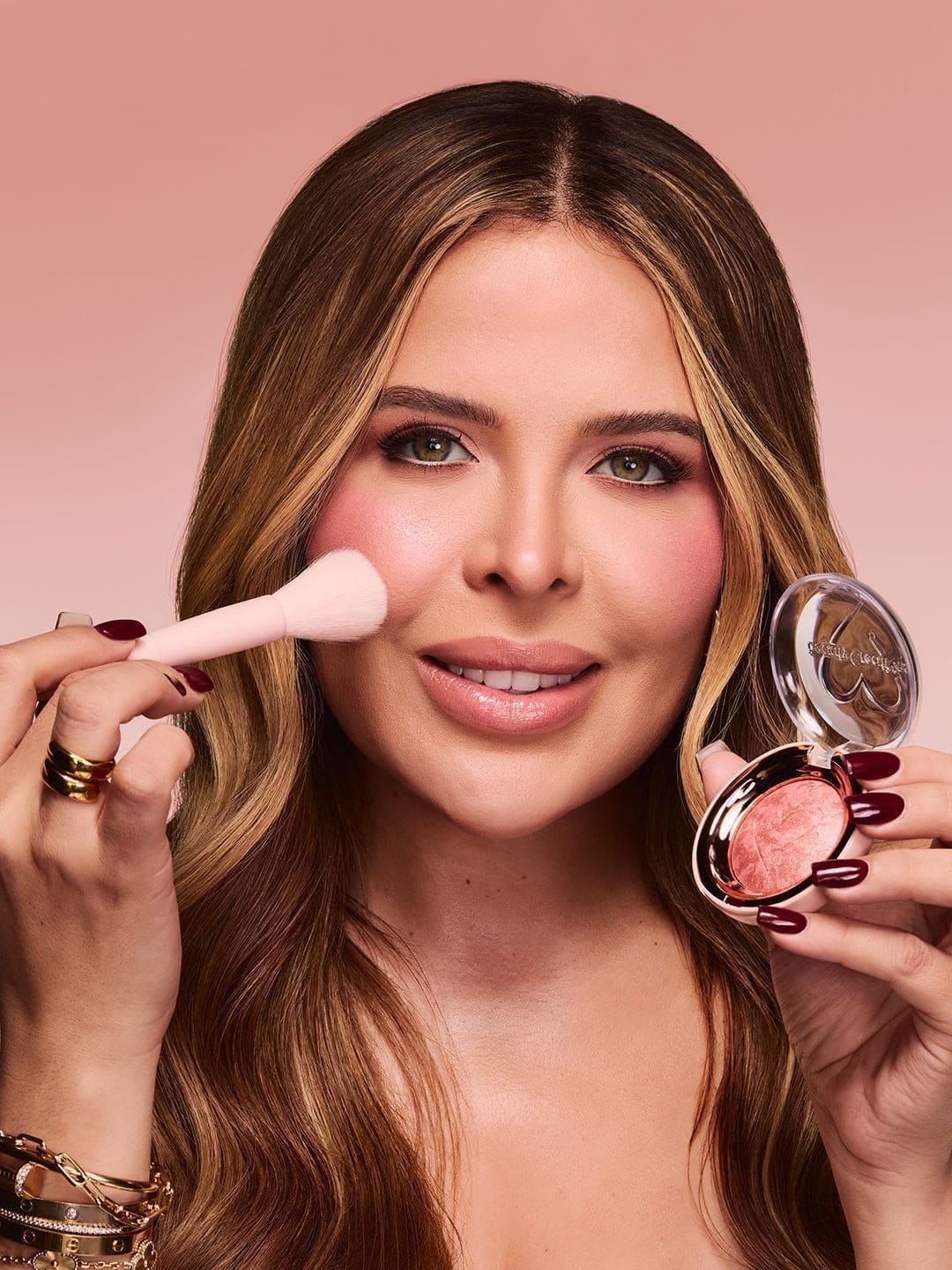
Makeup Brushes: The Three Worth Money and the Rest Review
Tools change a result more than most people expect and cost far less than the products they apply. But the money concentrates in a handful of brushes — the rest of a matching twenty-piece set is filler, and the sets are priced knowing you will assume otherwise.
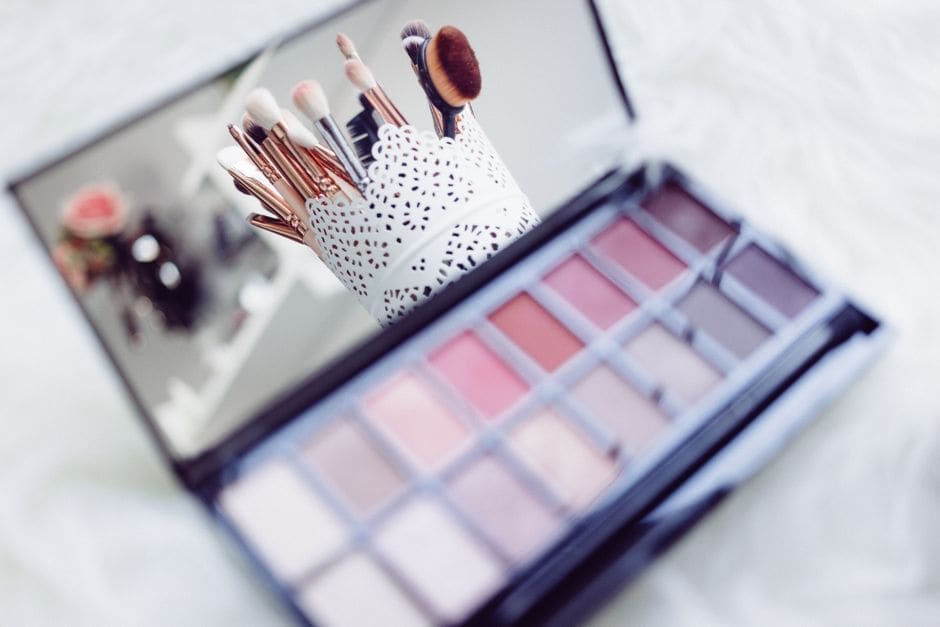
- Type
- Category guide — makeup brushes and application tools
- Spend on
- One complexion brush, one blending brush, one small precision brush
- Skip
- Large matched sets, novelty shapes, natural-hair upcharges for most uses
Reasons to buy
- A good brush improves the same product noticeably — the cheapest upgrade in a routine
- Synthetic bristles now match or beat natural for most uses and wash better
- Three or four brushes cover almost every routine; sets sell twenty
- Well-made brushes last years if they are washed and dried properly
Reasons to avoid
- Large sets are mostly duplicates and shapes you will never reach for
- Cheap brushes shed into the product and lose shape after a few washes
- Washing is the maintenance nobody does and the reason brushes get replaced
- Marketing leans on materials and handles rather than on shape, which is what matters
It is a strange fact of this category that people will spend real money on a foundation and then apply it with whatever came free in a gift bag. Tools are the cheapest variable in a routine and one of the most consequential — the same product looks different applied with a dense brush, a loose one, a sponge or a finger, and none of those differences appear on the packaging. If a foundation has never quite worked for you, the honest first suspect is the thing you are applying it with.
The useful mental model is that a brush has exactly one job: controlling how much product goes where. Density decides how much it picks up and how firmly it deposits — dense brushes place colour, loose ones diffuse it. Shape decides where it can reach. Everything else is presentation. Once you hold those two variables in mind, the twenty-piece set stops looking like value and starts looking like eight versions of the same idea, most of which will stay in the roll.
The short list of brushes worth spending on is genuinely short. One complexion brush, dense and rounded, for foundation or cream products across the whole face. One soft, tapered blending brush, which is the tool that makes eyeshadow look deliberate rather than applied. And one small precision brush for anything that needs a line — brows, the outer corner, concealing something specific. A fluffy powder brush is a reasonable fourth if you use powder. That is a complete kit for the overwhelming majority of routines, and buying four good ones costs less than most matched sets.
On materials, the old hierarchy has quietly inverted. Natural hair used to be the premium option because it held loose powder better, and for very fine powder work the best natural brushes are still lovely. But modern synthetics handle cream and liquid formulas — which is most of what people use now — better than natural hair does, do not absorb product into the bristle, wash more cleanly, and involve no animal-sourcing questions. Paying a premium for natural hair is a preference rather than an upgrade, and it should be priced as one.
The maintenance is where brushes are actually lost, and it is worth being blunt about it. A brush used on the face collects oil, product and skin, and one that is never washed becomes both a worse tool and an unhygienic one — this is one of the more plausible causes of otherwise unexplained breakouts. Washing is undramatic: gentle soap, lukewarm water, work the product out with the bristles pointing downward so water never runs into the ferrule, squeeze gently, reshape, and dry flat with the head over the edge of a surface. Water sitting in the metal collar is what dissolves the glue and starts the shedding that ends a brush's life.
So the buying advice is unusually simple for beauty. Ignore the set. Buy three or four brushes chosen by shape and density for what you actually apply, in synthetic unless you have a specific reason not to, from anywhere that lets you feel them first if possible. Then wash them — genuinely, on a schedule you will keep. A modest brush that is clean and the right shape outperforms an expensive one that is neither, and the whole upgrade costs less than a single bottle of the foundation it improves.
How we tested
The Makeup Brushes: The Three Worth Money and the Rest was scored against the same written rubric we apply to every Makeup & Tools product — real-world performance, build quality, ease of use, upkeep and value. Full protocol on our How We Test page.