Drugstore vs Prestige Makeup Review
The most useful beauty-budget skill isn't finding discounts — it's knowing which categories the drugstore has genuinely caught up in and which ones still earn the counter price. The gap is real in a few specific places and pure branding in most of the rest.
- Type
- Category guide — budget strategy
- Best for
- Deciding where the counter price is buying anything
Reasons to buy
- Mascara, liner and lip basics are solved problems at drugstore prices
- Same parent companies manufacture across both tiers more often than either admits
- A mixed bag beats a loyal one — spend by category, not by brand tier
- Testing a look cheap first makes the occasional prestige buy an informed one
Reasons to avoid
- Complexion nuance — undertones, shade breadth, finish — is still where prestige earns money
- Drugstore shopping means no testers and a returns lottery
- Trend-chasing lines at both tiers ship filler
- The middle tier often charges prestige prices for drugstore formulas
The counter and the drugstore aisle sell the same chemistry more often than either would like you to know. A handful of conglomerates own brands across both tiers, labs migrate, and a formula that debuts upstairs has a way of reappearing downstairs under different lighting a few seasons later. That doesn't make the tiers identical — it makes the real question specific: which categories still carry a genuine gap, and which are charging for the carpet.
Start with where the drugstore has flatly won. Mascara is the famous case and the consensus is deserved: the best cheap tubes trade blows with anything at any price, and mascara's short useful life makes paying up actively irrational. Pencil liners, lip balms, makeup removers, and most lip color belong in the same column — mature formulas, small stakes, frequent repurchase. Paying prestige margins here buys packaging weight and nothing your face can detect. If a product gets used up in weeks and replaced without ceremony, the aisle has almost certainly solved it already.
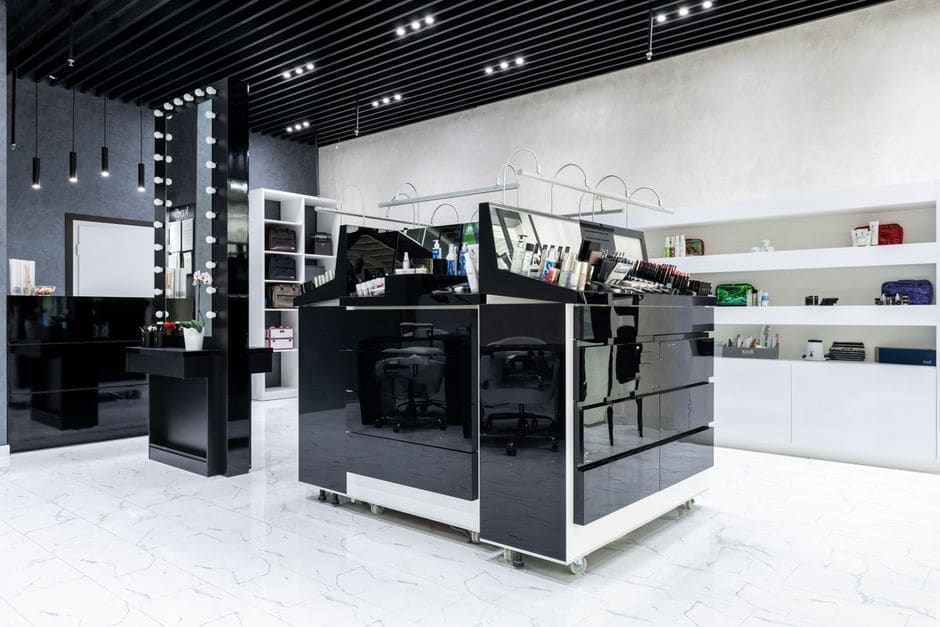
Where prestige still earns its keep is mostly complexion. Foundation and concealer live or die on nuance — undertone accuracy, shade breadth at the deep and pale ends, how a finish behaves on real skin over a real day — and the top-tier houses still invest in that unglamorous engineering more consistently than the value aisle. Add the practical advantages of a counter: testers, shade matching by a human, and returns that don't require a receipt argument. When a product must match your skin rather than merely decorate it, the gap is real. Fine-milled powders and some long-wear formulas make the same case more quietly — not always better, but more consistently engineered for the hard part.
The trap sits in the middle. The masstige tier — prestige storytelling at almost-prestige prices — is where the worst value in beauty lives, because you pay counter money without counter service or top-shelf formulation. Similarly, trend-driven drops at both tiers are built for the launch cycle, not the repurchase. A shimmery palette with a beautiful campaign is the same gamble at every price; the cheap version is just an honest one. Ask what a middle-tier product offers that neither neighbor does — the silence is usually the answer.
There is a third tier the framing usually leaves out, and it has quietly become the most interesting one. Between the supermarket and the counter sits a band of brands selling straightforward formulas at plain prices with the marketing stripped out — no counter, no gift-with-purchase, no story. They are frequently the best answer to the complexion question that prestige claims to own, and they are the reason the old two-tier map is less useful than it was. If you only ever compare cheap against expensive, you will keep missing the shelf in between.
So shop by category, not by loyalty. Let the drugstore own your mascara, liner, and lip drawer; let prestige argue for your complexion products, where its advantages are real and testable at the counter before money moves. And when a viral product spans both tiers, buy the cheap version first — the fastest education in what the expensive one is actually selling. The strategy costs nothing to adopt, survives every trend cycle, and turns the whole tier question from an identity into an arithmetic problem.
How we tested
The Drugstore vs Prestige Makeup was scored against the same written rubric we apply to every Smart Shopping product — real-world performance, build quality, ease of use, upkeep and value. Full protocol on our How We Test page.