Travel Sizes & Minis Review
Ounce for ounce the most expensive real estate in beauty, sold on cuteness and checkout placement. Minis have exactly two honest jobs — auditioning a product and clearing airport security — and the industry has quietly repositioned them as a lifestyle category to escape per-unit scrutiny.
- Type
- Category review — travel sizes and minis
- Best for
- Product auditions and actual flights, nothing else
Reasons to buy
- The right way to trial an expensive product before full-size commitment
- Solves the carry-on liquids problem the sizes were named for
- Gift sets of minis can beat blind full-size gifting
Reasons to avoid
- Unit pricing is dramatically worse than full size — the shelf makes this hard to see
- Mini collections become the same orphan drawer subscription boxes create
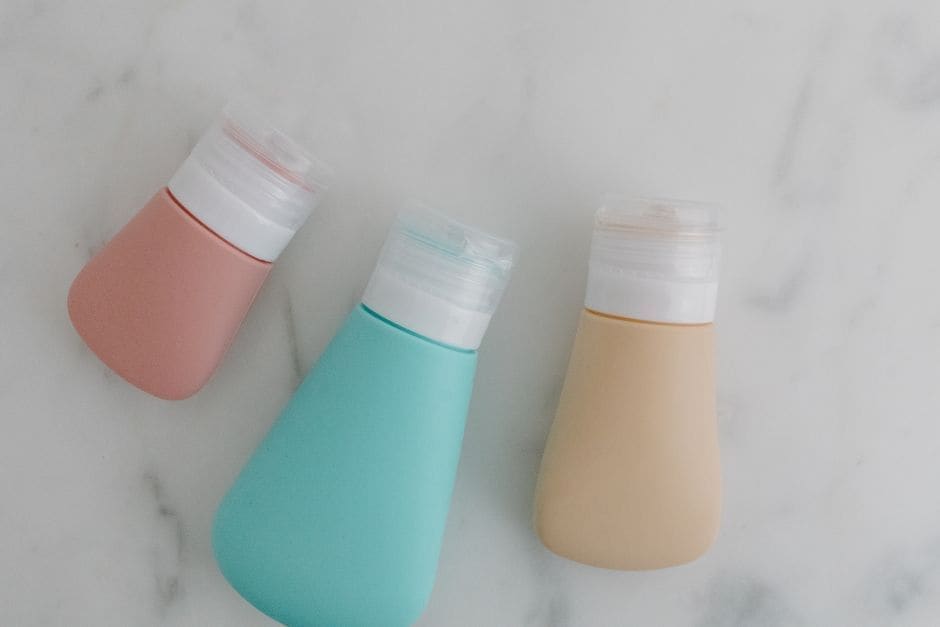
- Refillable travel bottles do the travel job better and once
- Checkout placement is engineered impulse, not curation
Tiny bottles carry the biggest markups in the store, and the shelf is arranged so you never do the division. Unit pricing — what you pay per milliliter or per ounce — is the one number that makes the category legible, and it's the number the cute basket by the register is designed to keep you from computing. Do the math on almost any mini against its full-size sibling and the mini costs several times more for the identical formula.
That markup is defensible in exactly two scenarios. First, the audition: paying a premium for a small amount of an expensive product you're not sure about is rational insurance, and it's the same logic that makes fragrance samples the smartest buy in that aisle. Second, the flight: liquids rules are real and a mini solves them — though a set of refillable travel bottles solves them better, once, for everything you already own.
What the category has become instead is a collection hobby with a checkout lane. Minis as stocking stuffers, minis as impulse rewards, minis as a 'little treat' — each individually trivial, collectively a drawer of half-used novelties bought at the worst unit price in the building. The industry noticed that small feels cheap regardless of what it costs, and built a merchandising strategy on the feeling.
There is a second cost buried in the format that the per-millilitre arithmetic misses entirely. Small bottles are mostly packaging, and packaging is the part that does not get used — a shelf of half-finished minis is a shelf of plastic bought at a premium and thrown away early. It is also the format most likely to be forgotten in a wash bag and rediscovered a year later, at which point the product has been through several summers of bathroom heat and belongs in the bin. The saving that never materialised has now cost you twice.
Where minis genuinely earn their price is narrow and worth stating precisely. Trying a formula before committing to a full bottle, particularly anything that goes on the face, where a bad reaction to a full-size purchase is money and skin both wasted. Travel, where the size limit is imposed by an airport rather than by you. And decanting into your own small bottles, which does the travel job at the price of the full size — the option the shelf would prefer you did not think of.
The one to be most sceptical of is the mini sold as a gift or a set. Bundling small sizes into a box lets a brand price the collection as an occasion rather than as product, and the per-millilitre figure inside those boxes is usually the worst in the shop. It can still be the right purchase — a set of things somebody wanted to try is a genuinely good gift — but buy it knowing it is a gift, not a saving.
Our advice fits in a sentence: buy a mini to answer a question or to board a plane, and buy the full size — or nothing — for every other reason. The division takes ten seconds and the shelf is counting on you skipping it.
How we tested
The Travel Sizes & Minis was scored against the same written rubric we apply to every Smart Shopping product — real-world performance, build quality, ease of use, upkeep and value. Full protocol on our How We Test page.